
Latvian signs
Latvian symbols and their meanings
Fifteen signs we press into leather. Each is told the same way: whose sign it is, what it stands for and where it is found. And we say plainly how old the story itself is.
A pattern older than writing
Geometric pattern has been made on Latvian soil since the Stone Age: more than seven thousand years ago clay pots already carried rows of pits, cuts and comb marks. The oldest fire crosses found here are on 3rd-century brooches from Rauna and Trikāta, and a single 12th-century woollen shawl from Stāmeriena carries 37 of them, in nineteen forms.
Most of the signs known today come from 19th-century textiles: woven belts, mittens, shawls and embroidered shirts. The pattern is geometric because it was made by counting threads: out of the dot, the line, the zigzag, the triangle and the square.
Gods who live in songs
Dievs, Māra, Laima, Saule, Mēness, Pērkons, Auseklis, Ūsiņš and Jumis are not drawn in any old book. They live in the dainas, the Latvian folk songs. Between 1894 and 1915 Krišjānis Barons set 217,996 song texts in order in “Latvju dainas”, and his Cabinet of Folk Songs has been on UNESCO’s Memory of the World Register since 2001.
How old the story is
To be honest about it: the shapes are old, but the names and meanings used today were mostly written down in the 20th century. Until the 1920s patterns were named after what they looked like: fir needle, little star, little cross, little sun, grass snake. In 1923 Ernests Brastiņš, in his book “Latviešu ornamentika”, was the first to tie the elements of the pattern to the gods of the dainas, and in 1936 Jēkabs Bīne took the system further. Even the name Auseklis for the eight-pointed star settled only in the 1930s.
What the signs meant to their first makers can no longer be proven, says the archaeologist Baiba Vaska. Yet a guarding meaning was written down earlier too: the lietuvēns cross, a star drawn in one stroke to guard the house, the cattle and the people, was published in 1881, and in 1911 Matīss Siliņš wrote that the little star guards against evil and the fire cross against lightning.
So we tell each sign the way the tradition tells it today, and say where the story is older and where it is younger. A sign takes its strength from the one who wears it and knows what they mean by it.
01 / 15
Saule, the Sun
Also called: saulīte, little sun
Saule, the Sun, is the centre of the Latvian sky: a sign of light, warmth and life.
In the dainas the Sun is a woman and a mother. She drives over the hill of the sky with her horses and steps into a golden boat at evening; she has daughters, the Daughters of the Sun, and she is known to quarrel with the Moon. Jāņi, midsummer, is held to be the wedding of the Sun and the Earth, and the Easter egg is a sign of the sun.
Round rosettes are among the oldest patterns in ancient jewellery, and the name saulīte, “little sun”, for such a pattern is in print by 1911. In 1923 Jānis Sudmalis called it the best loved of all Latvian signs. Little suns are carved into distaffs and woven into the Lielvārde belt, and one was on the 5-lats banknote and the santīms coins.
- Whose sign
- Saule, the mother of the sky
- Stands for
- Light, warmth, life, unending movement
- Where found
- Ancient jewellery, distaffs, the Lielvārde belt, mittens
- Its day
- Jāņi (midsummer), 23 and 24 June
Noiet Saule vakarā,Iekrīt zelta laiviņā;Uzlec Saule no rītiņa,Paliek laiva līgojot. The Sun goes down at evening and drops into a golden boat; the Sun rises in the morning and leaves the boat rocking.
02 / 15
Māras krusts, Māra’s Cross
Also called: krustu krusts, cross of crosses
A cross whose every arm is crossed once more: a sign of blessing on the home, the hearth and the bread.
In the dainas Māra looks after the earth and all that can be touched: women, childbirth, cows and milk are in her care. Scholars still argue how much of her is an old goddess and how much the Catholic Virgin Mary, but it is the songs of Kurzeme that name her most.
Latvians drew a cross on a loaf so that the bread would be filling, and on the stable door at Mārtiņi to guard the horses. This cross with crossed ends came to be called Māra’s only in the 20th century: it is the cross drawn on the loaf and, at evening, in the ashes of the hearth. Set aslant, as on our sheet, it stands in Valdis Celms’s reading for the living, moving world.
- Whose sign
- Māra, keeper of women, cattle and milk
- Stands for
- Blessing and plenty at home, a guarded hearth
- Where found
- The loaf, the ashes of the hearth, women’s jewellery and dress
- Its day
- Great Māra’s day, 15 August
Gotiņ mana raibuliņa,Kas tev’ raibu norakstija,Svēta Māra norakstija,Svētu rītu ganidama. My little brindled cow, who drew your pattern? Holy Māra drew it, herding on a holy morning.
03 / 15
Ozoliņš, the Little Oak
Also called: Ozoliņa zīme, the Well (Akas zīme)
The oak is the men’s tree and the tree of Pērkons the Thunderer: a sign of strength and endurance.
In Latvian belief the oak is a man’s tree. At Jāņi, midsummer, the master of the house gets a full wreath of oak leaves and the mistress one of flowers, and his is plaited so that his horses grow strong as oaks. As early as 1654 it was described how gates and buildings were dressed with oak branches at Jāņi against sorcerers and witches.
The oak is also the tree of Pērkons: in the dainas the Thunderer strikes the oak, and a Pērkons oak stood in the sacred grove at Zlēkas. The sign itself, a doubled cross set aslant round a diamond, goes in the sign charts by two names, the Little Oak and the Well, and its explanation is recent: experience, knowledge, the order of the world. Its strength comes from the tree whose name it bears.
- Whose sign
- The oak, tree of Pērkons and of men
- Stands for
- Strength, endurance, experience
- Where found
- Present-day knitwear and sign charts; oak wreaths at Jāņi
- Its day
- Līgo and Jāņi, 23 and 24 June
Dievkociņi, biškrēsliņiJaunu meitu Jāņu zāles;Puišiem oši, puišiem kļavi,Puišiem zaļi ozoliņi. Southernwood and tansy are the midsummer herbs of young girls; for the lads ash, for the lads maple, for the lads green little oaks.
04 / 15
Zalktis, the Grass Snake
Also called: Zalkša zīme, serpent sign
The grass snake is a sign of wisdom and a blessing on the house.
This sign rests on one of the earliest recorded Latvian customs. As early as 1589 it was written that Latvians kept grass snakes at home and called them milk mothers, and in 1610 that house snakes were fed. The beliefs warn: whoever strikes grass snakes drives the blessing out of the house, and when one is killed the sun weeps for nine days.
The grass snake also knows things: whoever eats the white snake knows everything, a belief says. That is why the sign is called one of wisdom and of healers’ knowledge, and is counted among Māra’s signs. It is often woven into belts and women’s dress and put on things for the bathhouse.
- Whose sign
- The family of Māra’s signs; in belief the snake itself guards the house
- Stands for
- Wisdom, knowledge, blessing on the house
- Where found
- Belts, women’s dress, things for the bathhouse
Kas zalkšus sit,tas izdzen svētību no mājām. Whoever strikes grass snakes drives the blessing out of the house.
05 / 15
Ugunskrusts, the Fire Cross
Also called: Pērkona krusts (thunder cross), Laimas krusts, zaru krusts
A cross with bent, branching arms, one of the oldest signs in Latvian pattern. Tradition ties it to Pērkons the Thunderer, to fire and to light.
The oldest fire crosses in Latvia are on 3rd-century brooches from Rauna and Trikāta and on a 4th-century neck ring from Sauka. The richest are in Latgalian textiles of the 11th and 12th centuries: one shawl from Stāmeriena carries 37, in nineteen forms. Later the sign was woven into belts and knitted into mittens in Lielvārde, Krustpils, eastern Vidzeme and southern Kurzeme.
People called it simply a cross. The name “fire cross” was written down in 1911, and in 1923 Ernests Brastiņš tied the sign to Pērkons, the smith of the sky and the enemy of dark powers. In folk belief a cross guards against lightning. The sign turns both ways: the old finds show both.
From 1919 to 1940 the fire cross was on Latvia’s military aircraft, and it is the form of the Order of Lāčplēsis. In the 1930s far-right movements took the sign for their own, and after the crimes of Nazi Germany much of the world can no longer see it any other way; in Latvia too, some find its use unacceptable. We press it as what it has been in Latvian pattern since the 3rd century, and that has nothing to do with Nazism. Latvian law bans the Nazi swastika at public events and leaves folk ornament alone.
- Whose sign
- Pērkons; in another reading Laima as well
- Stands for
- Fire, light, a guard against lightning and harm
- Where found
- Ancient brooches and shawls, the Lielvārde belt, mittens
Pērkoņa tēvamDeviņi dēli:Trīs spēra, trīs rūca,Trīs zibināja. Father Pērkons has nine sons: three struck, three rumbled, three flashed lightning.
06 / 15
Jumis
Also called: Jumja zīme, the double ear
Jumis is the sign of fertility and plenty: two ears of grain on one stalk.
Jumis is the spirit of the field’s fertility, and his sign is the best founded of them all. A jumis is two ears on a single straw, and whoever finds one has luck. At the end of the harvest Jumis was caught: the last sheaf was tied like a little roof as his winter house, and the double ear was kept behind a beam in the granary so that the blessing would stay at home.
Two crossed hooks are among the most frequent patterns in ancient jewellery already. Jumis is woven into belts and garters and cut above the doors of granaries and cellars, and he is the one deity whose sign can be clearly recognised in folk building: in the crossed ends of the roof. The farmers themselves, though, called those little horses or roof roosters.
- Whose sign
- Jumis, the spirit of the field’s fertility
- Stands for
- Fertility, plenty, a blessing that stays at home
- Where found
- Belts, garters, roof ends, granary doors, harvest bread
- Its day
- Apjumības and Miķeļi, 29 September
Kur, Jumīti, tu gulējiŠo garo vasariņu?– Tīrumiņa vidiņāZem pelēku akmentiņu. Where did you sleep, little Jumis, this long summer? In the middle of the field, under a grey stone.
07 / 15
Dieva zīme, the Sign of God
Also called: sky sign, jumtiņš (little roof)
The sign of Dievs is the vault of the sky: an angle like a roof with a small ring above it.
Dievs is the most widely sung being of the dainas: about 9,750 songs name him. He belongs to the sky, puts the world in order and decides fate together with Laima, and in the song he gives only to the one who has earned it.
The explanation of the sign is Ernests Brastiņš’s: the old Latvians pictured the sky as a vault or a roof, so the pattern of the Father of the Sky is a triangle. More simply the pattern is called jumtiņš, the little roof, and as such it is in the Lielvārde belt too. The sign on our sheet, an angle with a ring and a dot above its tip, is as Jēkabs Bīne drew it in 1936; the ring is often called the eye of God.
- Whose sign
- Dievs, the father of the sky
- Stands for
- The vault of the sky, light, reaching upward
- Where found
- The Lielvārde belt, woven and belt patterns
Dievs man deva, Dievs man deva,Dievs rokā neiedeva,Dievs rokā neiedeva,Iekam pate nepelniju. God gave to me, God gave to me, but God did not put it in my hand until I had earned it myself.
08 / 15
Laimas slotiņa, Laima’s Broom
Also called: skujiņa (fir needle), Laimas zīme
A fir-needle pattern given to Laima, who decides every life: a wish for a good fate.
In the dainas Laima decides the course of a person’s life: she is called on at a birth, at courtship and at a wedding. Children were born in the bathhouse, so in the songs it is Laima’s bathhouse, and a belief says that if warm water and a whisk are left there on a Saturday evening, Laima comes to wash.
The pattern itself is one of the oldest: skujiņa, the fir needle. That is what people called it, and so it was written down in 1895. Ernests Brastiņš tied it to Laima in 1923, because the songs often name her with a fir twig, a rod and a broom. The sign on our sheet is a grouped fir needle with a marked centre, and it is found most often in the patterns of belts and garters.
- Whose sign
- Laima, who decides fate and fortune
- Stands for
- Good fortune and a good fate
- Where found
- Belts, garters, women’s textiles
Laima vilka zaļu jostuDeviņiem kamoļiem;To apjoza sieviņām,Laimas pirtī peroties. Laima drew out a green belt nine balls of yarn long, and girded the women with it as they bathed in Laima’s bathhouse.
09 / 15
Ūsiņš
Also called: Ūsiņa zīme
Ūsiņš guards horses and those on the road: a sign knitted into mittens.
Ūsiņš is an old god of light and spring who merged with Saint George and became the keeper of horses. He was first written down in 1606, as a god of horses. On his day the horses were taken to night pasture for the first time, with as many eggs as the horses had legs.
The sign looks like two letters E set back to back, or like a key, and is read as Ūsiņš’s horses that draw the Sun. The name was given to it in the 1930s by the painter Jēkabs Bīne; how old the pattern itself is, nobody knows. It is found most often in mittens, and today it is chosen by those with a road ahead.
- Whose sign
- Ūsiņš, keeper of horses and of those who herd them by night
- Stands for
- Light, spring, a good road
- Where found
- Mittens
- Its day
- Ūsiņi, in spring around St George’s day (23 April)
Ei, Ūsiņ, labais vīrs,Jāj ar mani pieguļā;Es guntiņas kūrējiņš,Tu kumeļu ganītājs. Hey, Ūsiņš, good man, ride with me to the night pasture: I will keep the fire, you will herd the colts.
10 / 15
Mārtiņa zīme, Mārtiņš’s Sign
Also called: Mārtiņš’s roosters, rooster sign
Two roosters, the callers of light: the sign of the year’s close in autumn and of keeping safe.
Mārtiņi, on 10 November, closes the farming year: the fields are in, winter begins and the mummers go round. At the heart of the day is the rooster. In 1832 it was written down in Tirza how the farmer carried a rooster round every horse in the stable to keep them safe, and drew a cross on the door.
In the songs Mārtiņš goes together with Ūsiņš: one grows the barley, the other good colts. The pattern was named Mārtiņš’s sign in the 1930s by Jēkabs Bīne, and less is known of it than of any other: it is read as two roosters, or as the Jumis sign with its ends rolled in. It is set in long bands: belts, garters and the borders of shawls.
- Whose sign
- Mārtiņš, master of autumn and the start of winter
- Stands for
- Keeping safe, and light in the dark of the year
- Where found
- Belts, garters, the borders of shawls
- Its day
- Mārtiņi, 10 November
Ūsiņā, Mārtiņā,Saldu daru alutiņu:Mārtiņš miežus audzināja,Ūsiņš labus kumeliņus. At Ūsiņi and at Mārtiņi I brew sweet ale: Mārtiņš raised the barley, Ūsiņš the good colts.
11 / 15
Austras koks, the Tree of Austra
Also called: Tree of Dawn, Saules koks (Sun Tree)
The tree in which the Sun rises: a sign of dawn and of the order of the world.
In the dainas a tree grows at the centre of the world: an oak with nine branches, in which the Sun spends the night. It is a red tree, a green or a golden oak, behind which the Sun rises in the morning and which nobody can find. You will not meet the words “Tree of Austra” in the songs: Austra is the dawn, and it was Ernests Brastiņš who gave the tree that name in 1923.
Tree-like patterns are embroidered on woollen shawls in Vidzeme, Augšzeme and Latgale, and scholars see a world tree with three or nine branches on a distaff of 1882 from near Saldus. Today the sign is worn as one of order and blessing: the tie between what was, what is and what will be. In 2000 it was the emblem of the Baltica folklore festival.
- Whose sign
- Saule and Austra, the dawn
- Stands for
- The order of the world, blessing, the tie between generations
- Where found
- Embroidered shawls, distaffs
Aiz kalniņa Saule lēcaSarkanāi kociņā.Meklē kungi, stārastiņi,Tāda koka nedabuja. Beyond the hill the Sun rose in a red tree. Lords and stewards searched, and no such tree did they find.
12 / 15
Krupītis, the Little Toad
Also called: Krupīša zīme, toad sign
The little toad brings blessing to the house: the sign of an old keeper of milk and plenty.
On a Latvian farm the toad and the grass snake were spirits of the house. In 1589 it was written that Latvians honoured them and called them milk mothers, and toads used to be fed with milk so that they would bring good to the house, writes the folklorist Janīna Kursīte. The beliefs warn: kill a toad and the cows lose their milk; walk three times round one and you will have luck. The toad’s name cuts both ways, though: the same beliefs know a toad that sucks the cows dry in the byre.
In the dainas the Mother of Milk is also Māra, which is why the little toad is counted among her signs. The sign itself is known from the sign charts and is read as one of intuition, wisdom and healers’ knowledge. Where it was woven in earlier times we cannot say for certain.
- Whose sign
- Māra, keeper of milk and of the home
- Stands for
- Blessing on the house, plenty, intuition
- Where found
- Present-day sign charts and craft
Ķikutiņš alu daraKumeliņa pēdiņā;Krupīts nesa ūdentiņuSalīkušu muguriņu. The snipe brews ale in a colt’s hoofprint; the little toad carried the water, its little back bent.
13 / 15
Mēness zīme, the Moon Sign
Also called: Mēness krusts (Moon cross)
The Moon is the soldiers’ helper and the light of the night: four moon signs round one centre.
In the dainas the Moon is a man. He counts the stars, vies with Auseklis for the Sun’s daughter, and in a small circle of songs he is a soldier who goes to war to help the young men. Sowing, felling trees, building a house and healing were all timed by his phases.
The sign on our sheet is the one called the Moon cross: four moon signs round one centre, often explained as the four phases of the Moon. Tradition gives it a guarding power and puts it on the things of men and soldiers. Archaeology shows another picture: the ancient crescent pendants were mostly women’s jewellery. And the songs tell that girls took the patterns for their dowry from the Moon.
- Whose sign
- Mēness, the Moon, helper of soldiers
- Stands for
- Keeping safe, growth and renewal
- Where found
- Jewellery, patterns of dress
Bārenite pūru šuva,Mēnesī raudzidama.Kādi raksti mēnesī,Tādi raksti pūriņā. An orphan girl sewed her dowry, looking at the Moon. Such patterns as are in the Moon, such are in her dowry.
14 / 15
Dzīvības zīme, the Sign of Life
A branching cross round a small diamond: a pattern of the fire-cross family that today goes by the name “sign of life”.
This is the youngest name on our sheet. Neither the dainas nor the sign lists of the early 20th century know it, and the name is sometimes given to the Ūsiņš sign as well. The shape itself is old: it belongs to the family of branching crosses woven most richly into Latgalian shawls of the 11th and 12th centuries.
Today it is explained as a sign in which many others meet: grass snakes, Jumis, moon signs and Laima’s cross, and it is worn as a wish for vitality and good health. We tell it exactly so: as a present-day wish in an ancient pattern, not as a proven belief of our ancestors.
- Stands for
- Vitality, health, balance (a present-day reading)
- Where found
- Present-day jewellery and leather; the shape itself in ancient textiles
15 / 15
Auseklītis, the Morning Star
Also called: Auseklis, eight-pointed star, zvaigznīte (little star)
Auseklis is the morning star: the light before the sun and a guard against evil.
In the dainas Auseklis is the morning star, the third most often named figure of the sky after the Sun and the Moon. At the weddings of the sky he is suitor and groomsman, and his name was written down as early as 1638. The eight-pointed star is knitted into mittens and socks and woven into blankets and the Lielvārde belt.
As a guard, this star is a form of the lietuvēns cross: it was drawn in one stroke on the doors of byre, granary and house against the night-hag, witches and harm. People called it the little star or the maple leaf; the name Auseklis for the pattern settled only in the 1930s. In the Awakening it became a sign of freedom: in the 1988 poll on a national ornament it came first, with 25,787 votes.
- Whose sign
- Auseklis, the morning star
- Stands for
- Light over darkness, a guard against evil
- Where found
- Mittens, socks, blankets, the Lielvārde belt, doors
Skaiti zvaigznes, Mēnestiņi,Vaj ir visas vakarā.Ir gan visas, ir gan visas,Ausekliša vien nevaid. Count the stars, Moon, are they all there at evening? They are all there, all there; only Auseklis is missing.
In our work
Signs in leather
A patterned belt was worn in Latvia not only for beauty but to keep its wearer safe. Latgalian men wore leather belts with bronze mounts a thousand years ago. We press the sign into genuine leather, and on a workshop tour you can press one yourself.
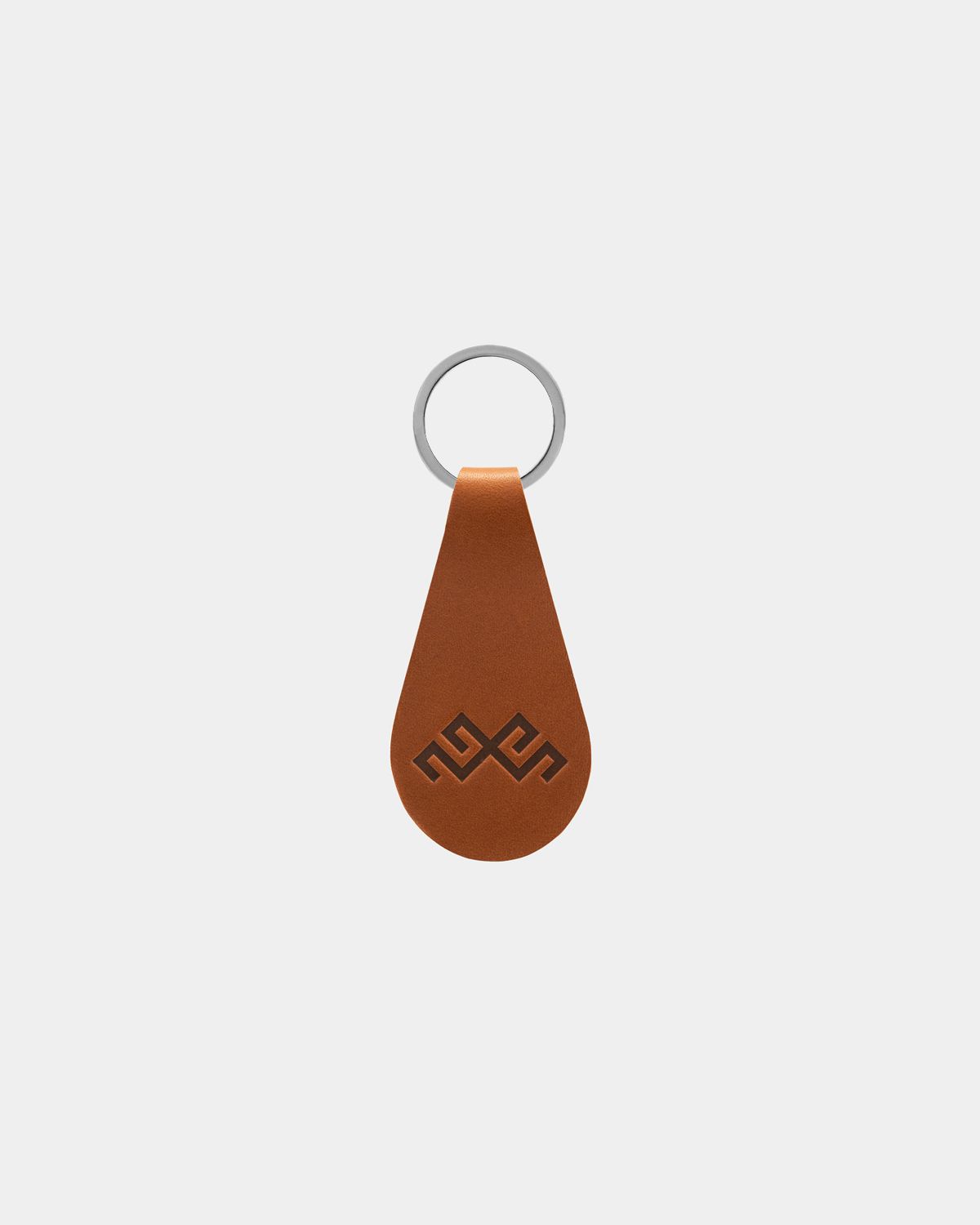
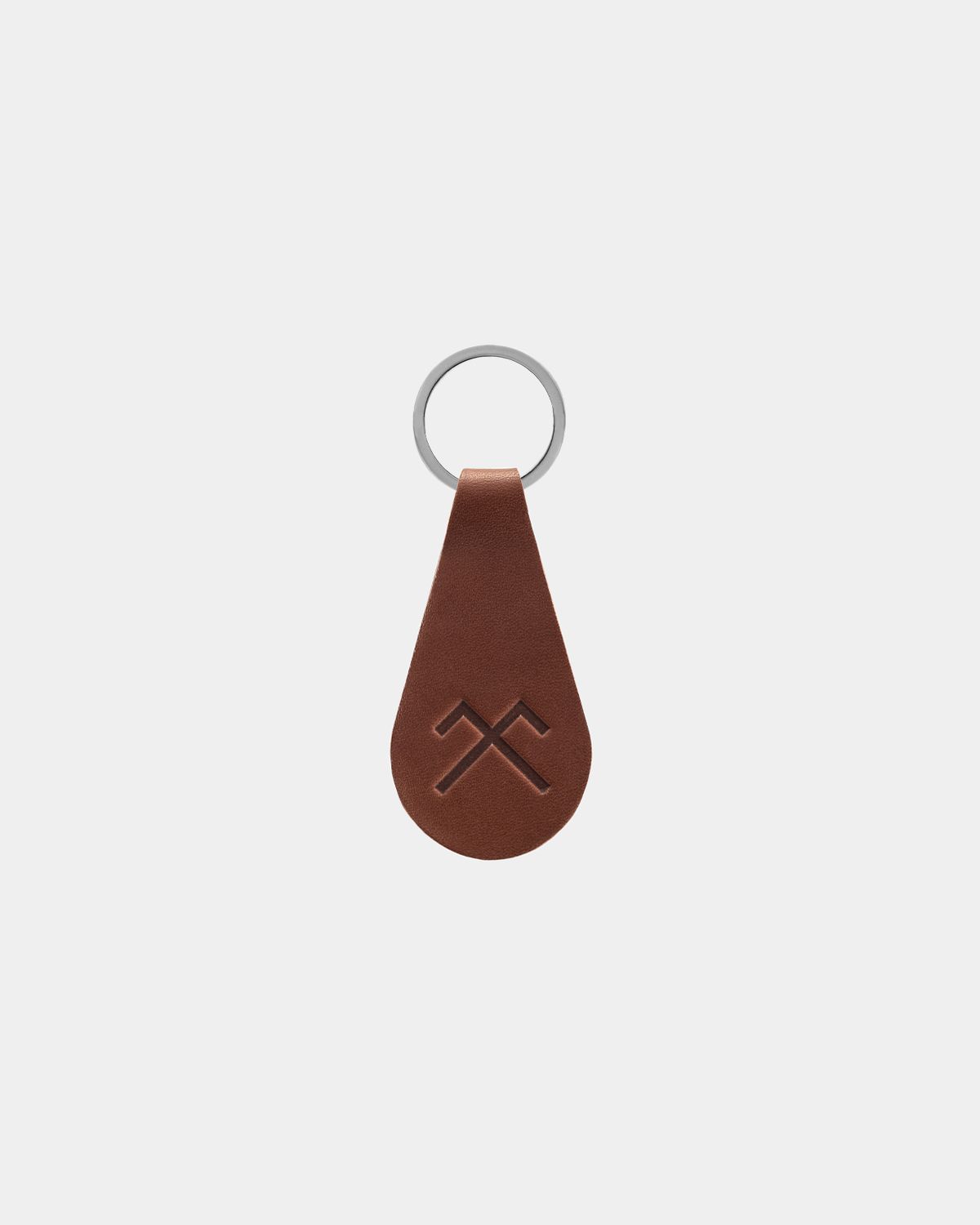
Key Chain with a Baltic Symbol
€15.00
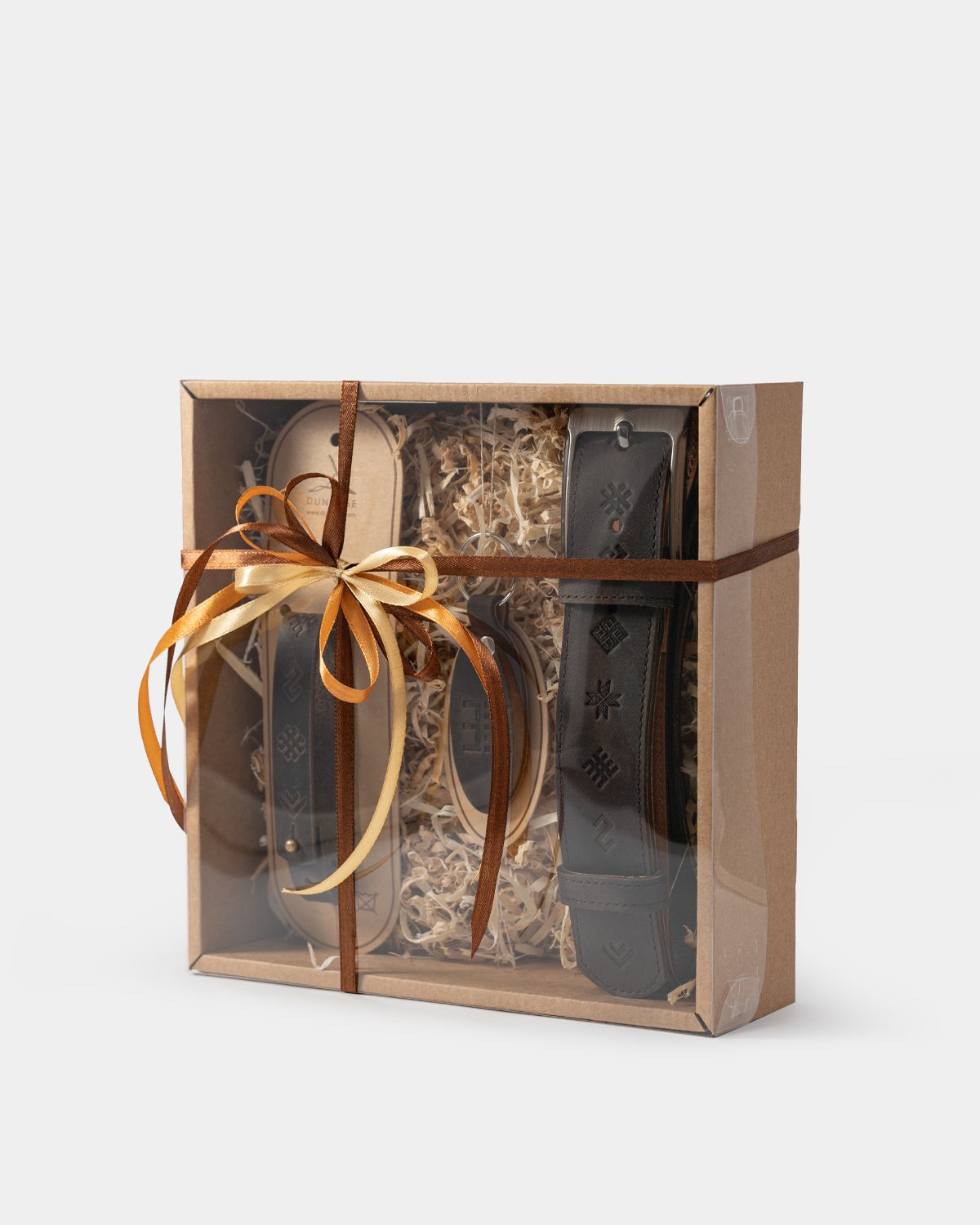

Gift Set
€50.00
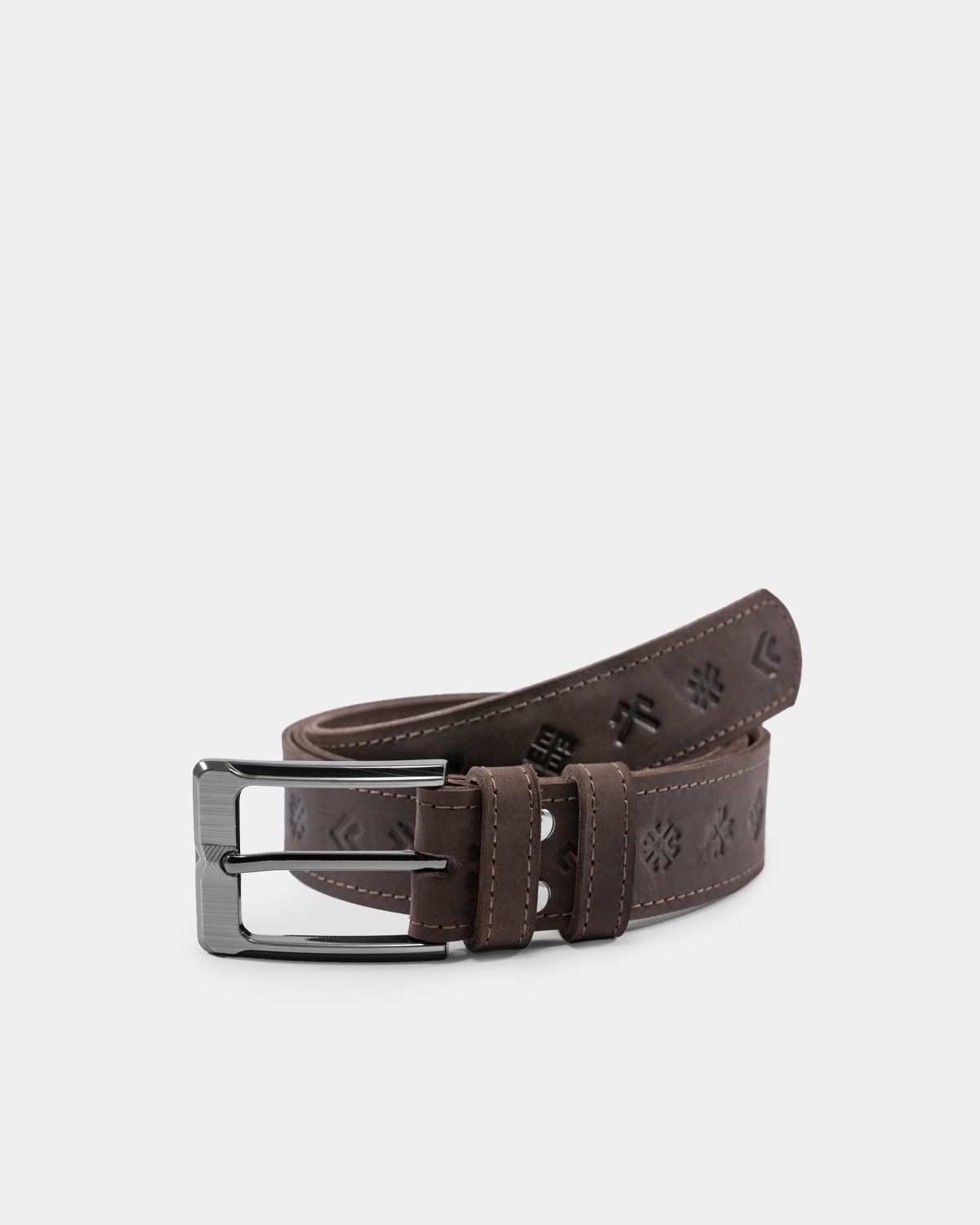
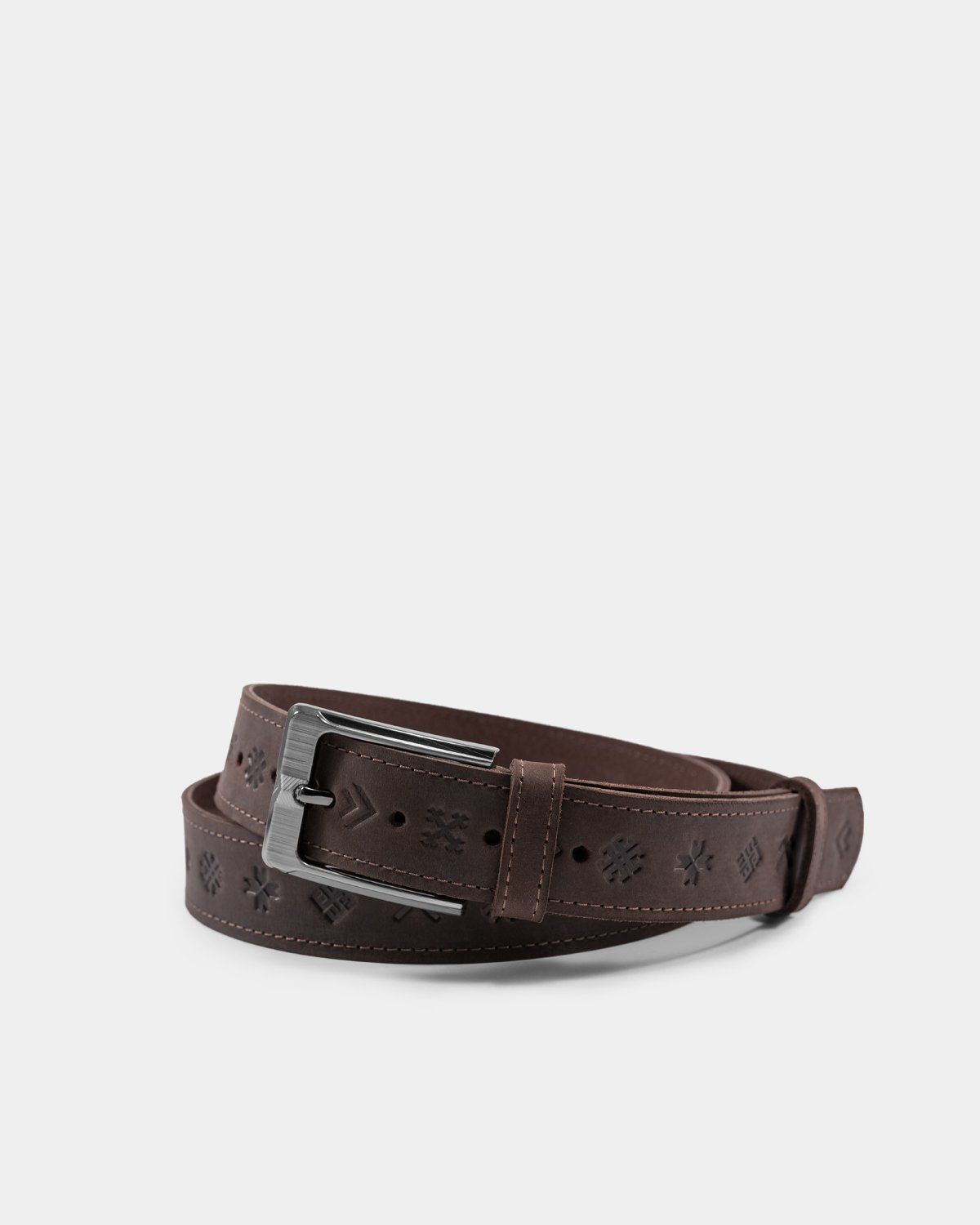
Leather Belt with Baltic Patterns - Brown
€52.00
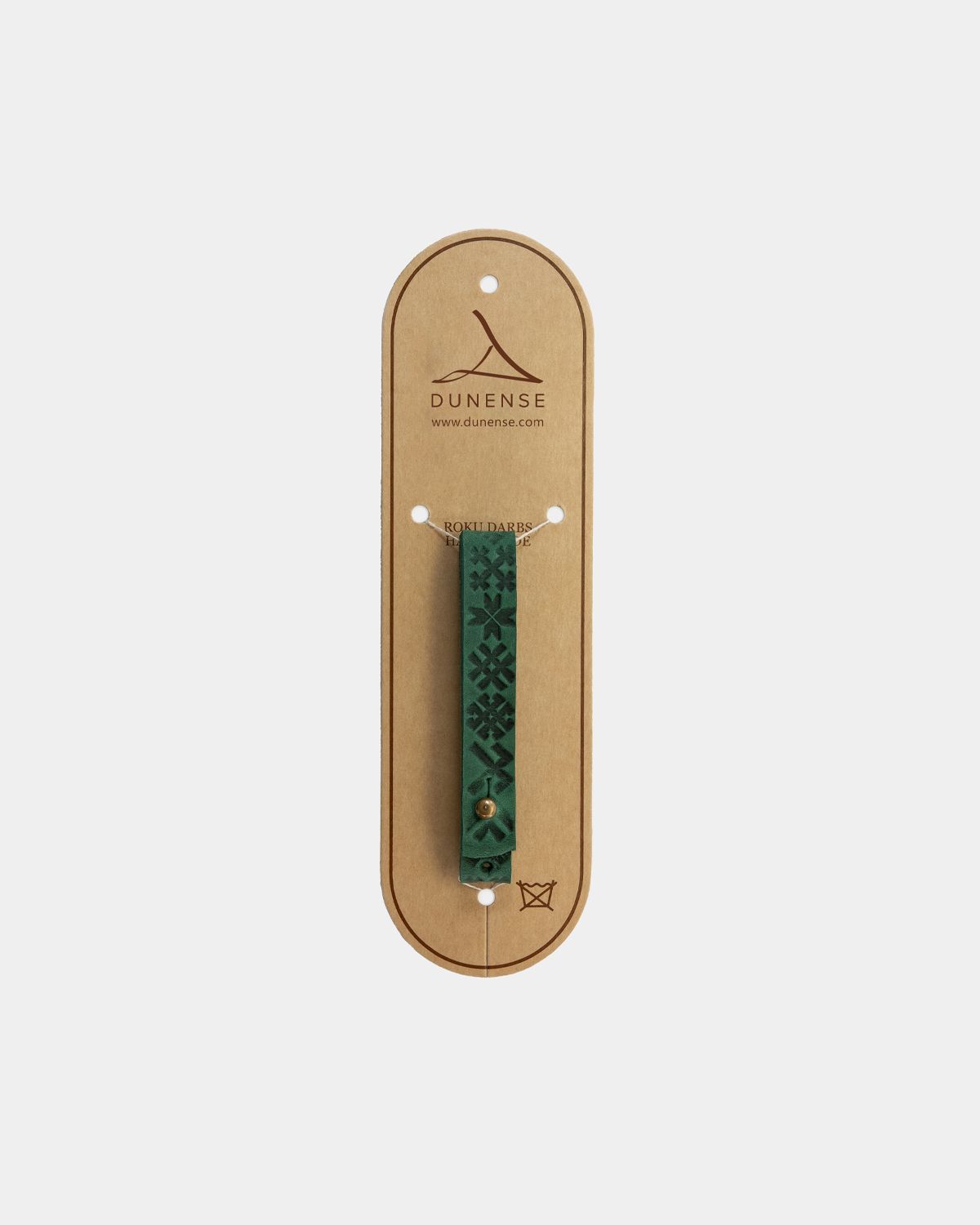
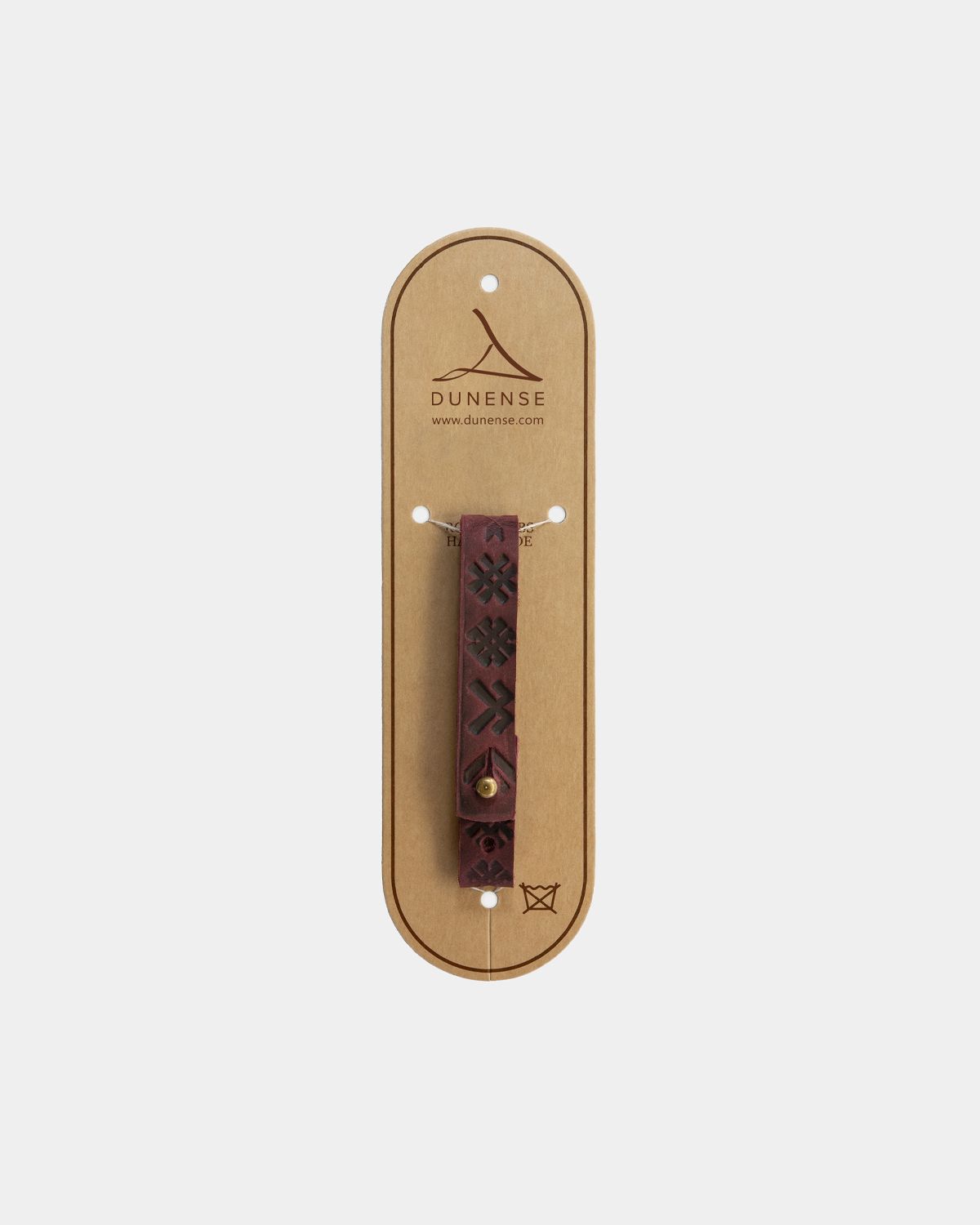
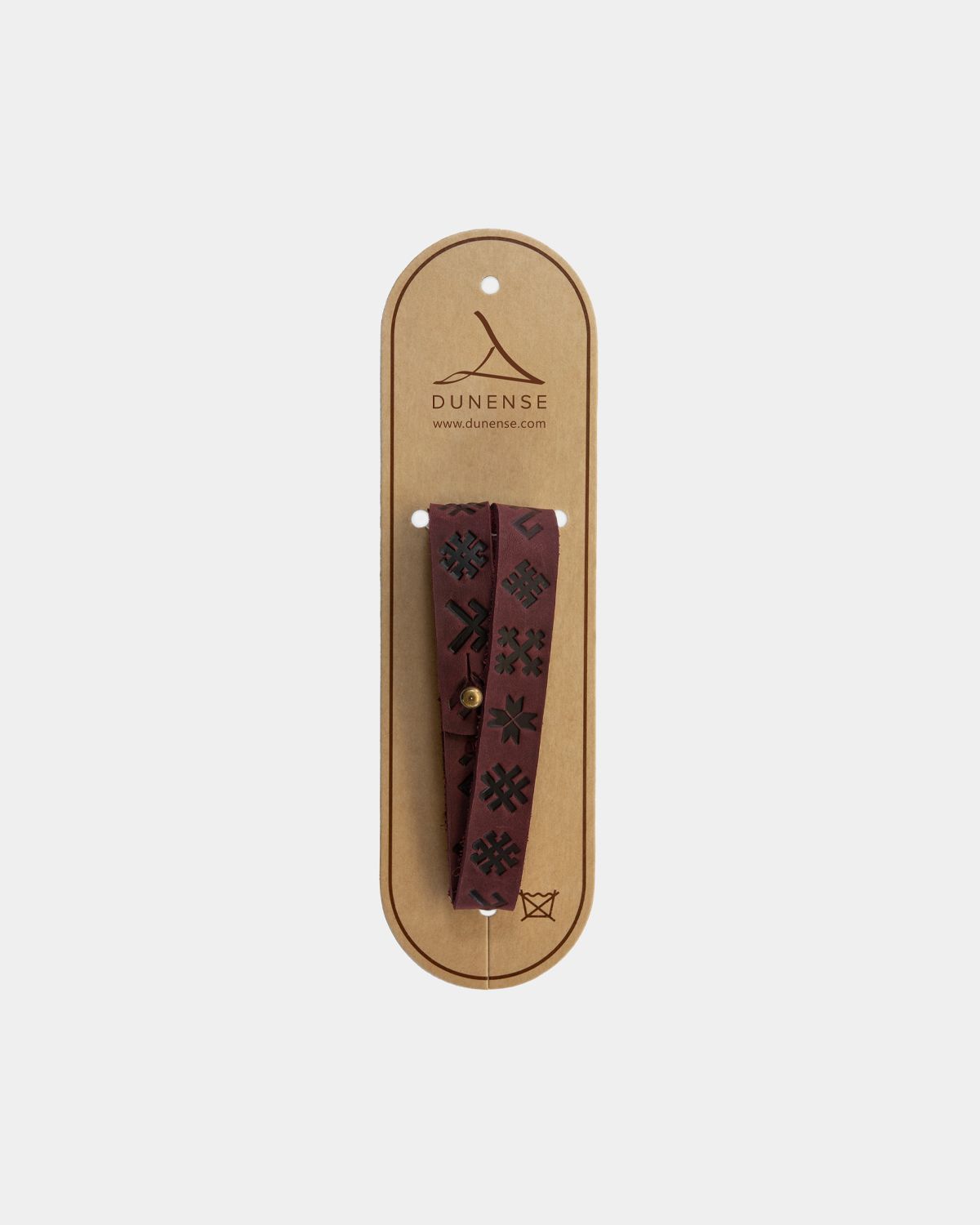
Bracelet with Baltic patterns
€10.00
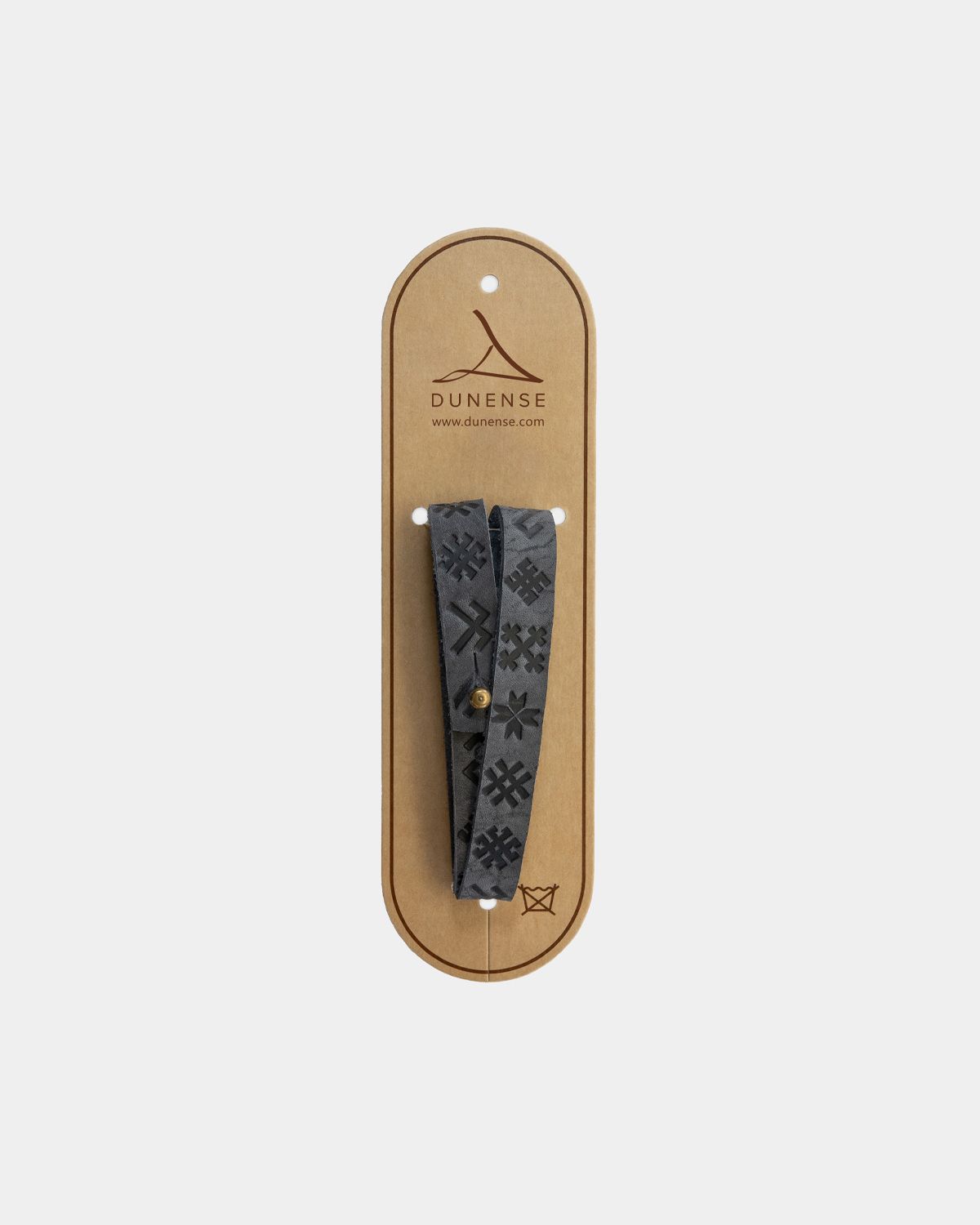
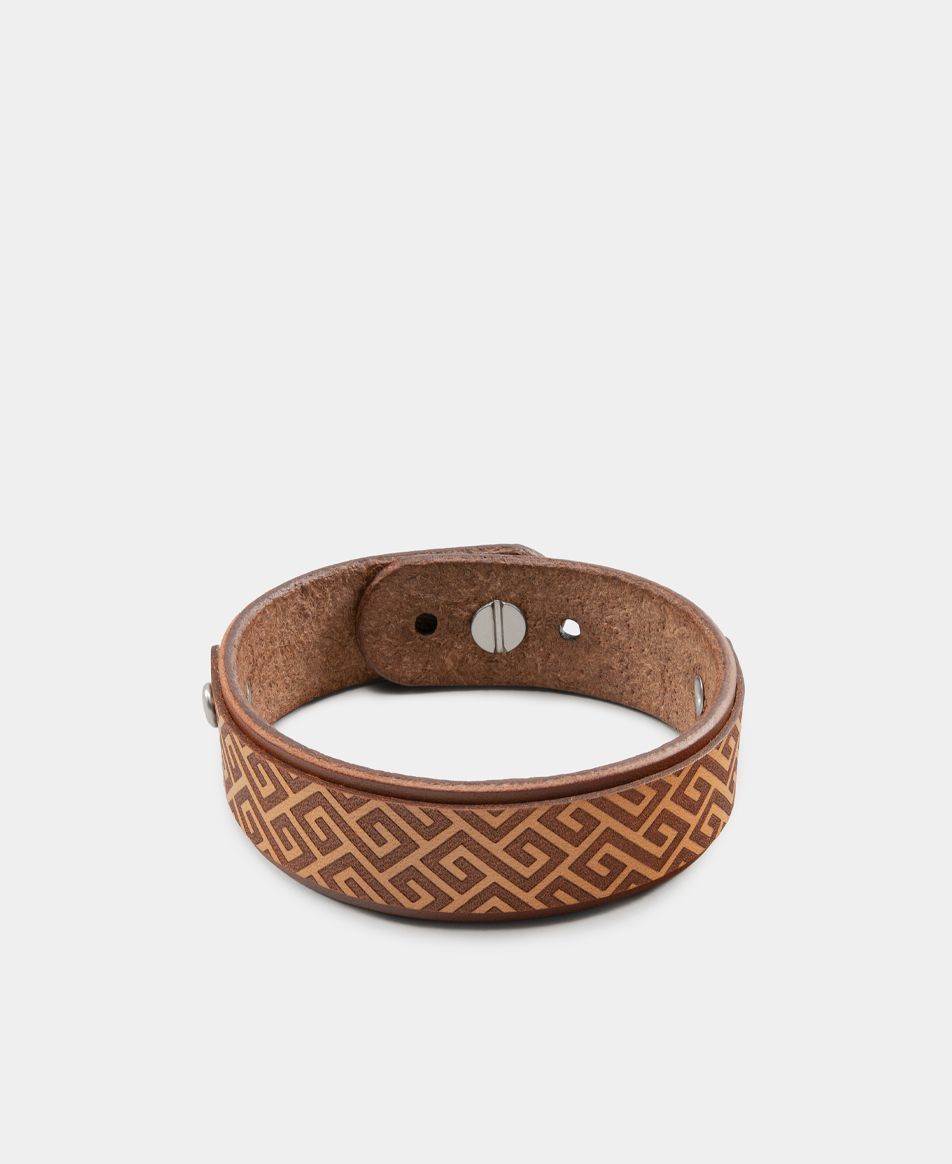
Wrap Bracelet with Baltic patterns
€12.00
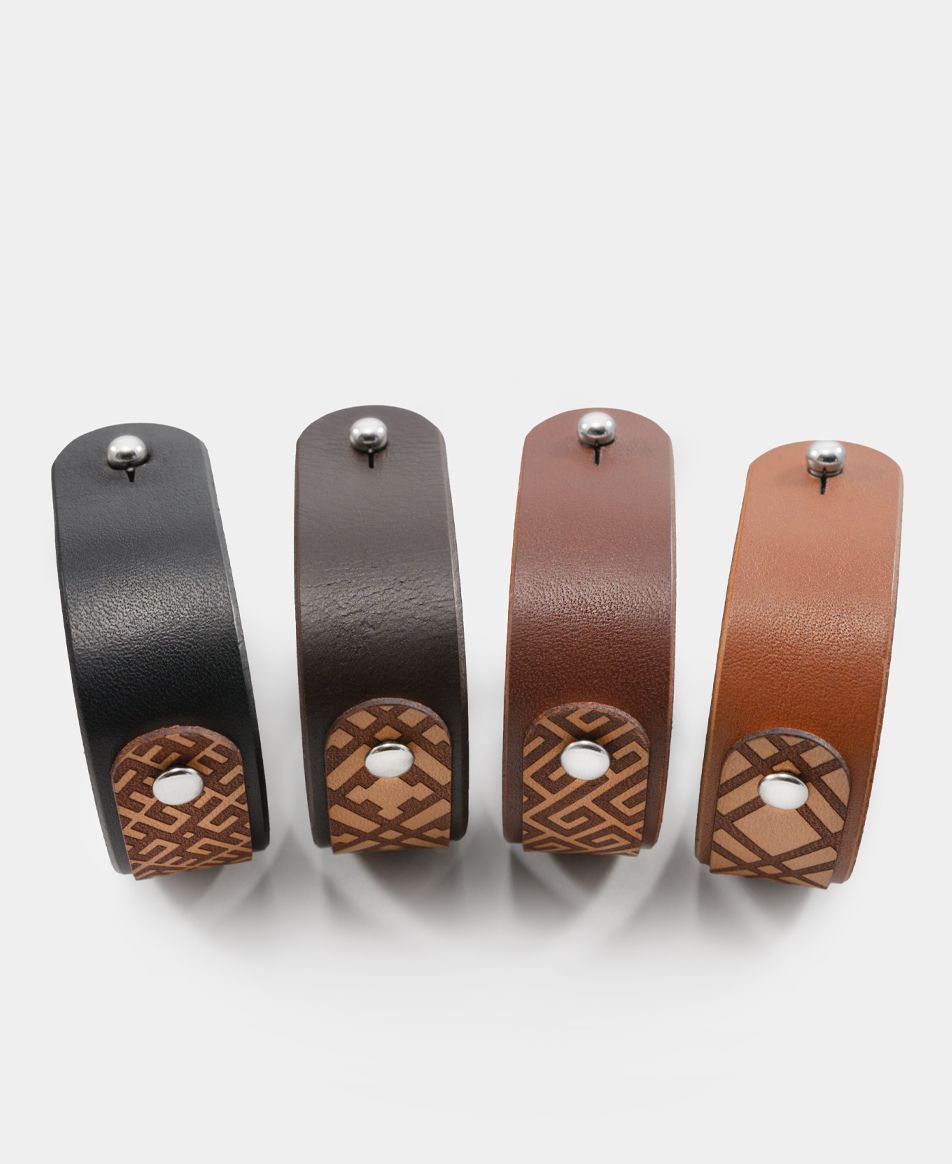
Leather Bracelet with Adder Pattern
€16.00
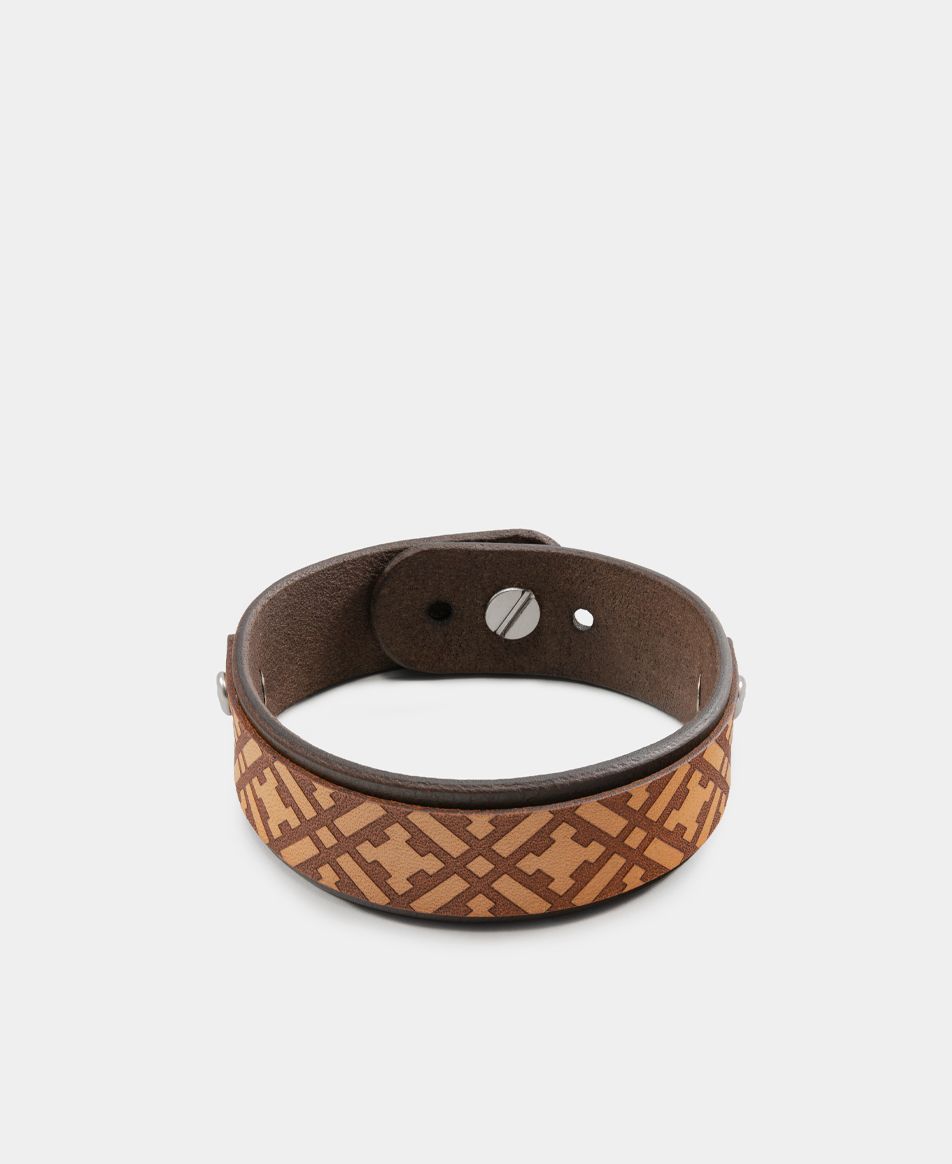
Leather Bracelet with Lunar Cross Pattern
€16.00
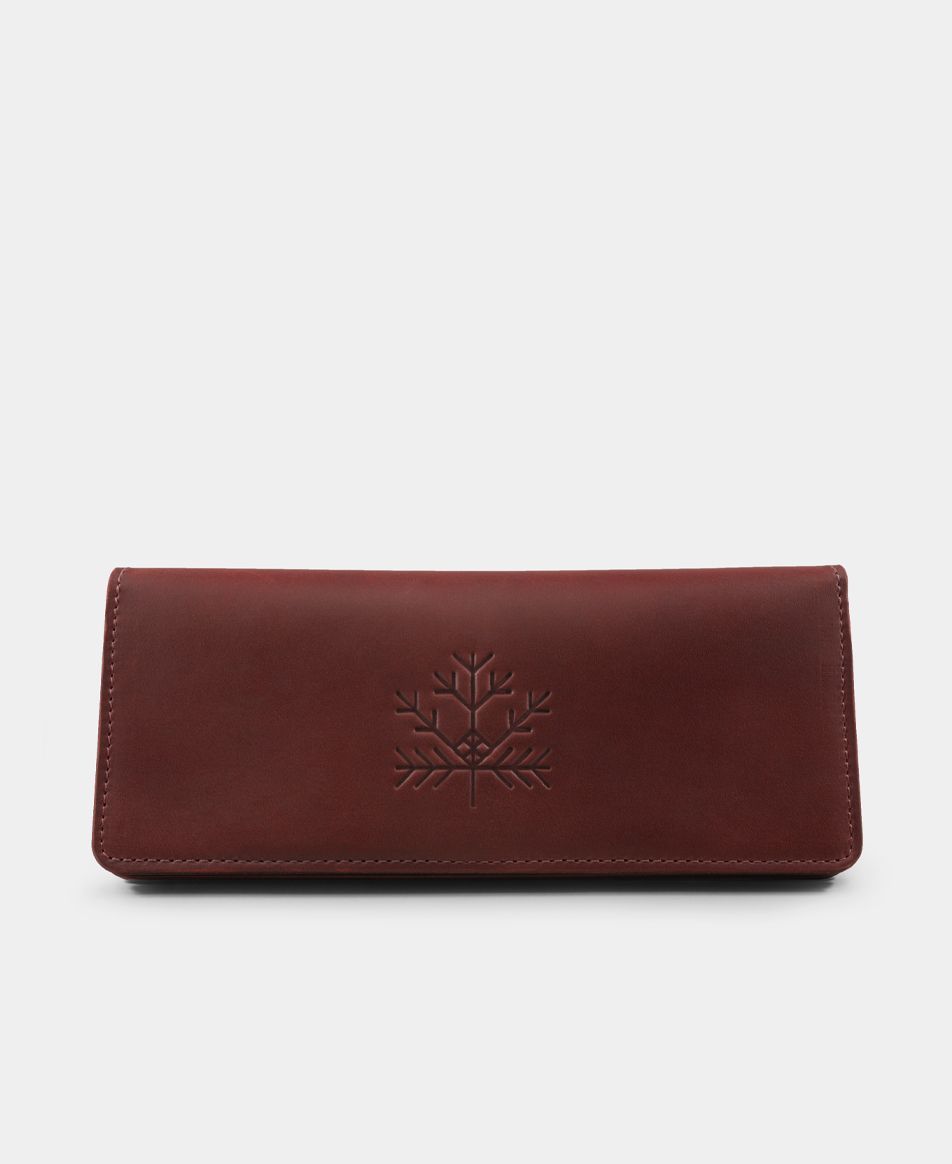
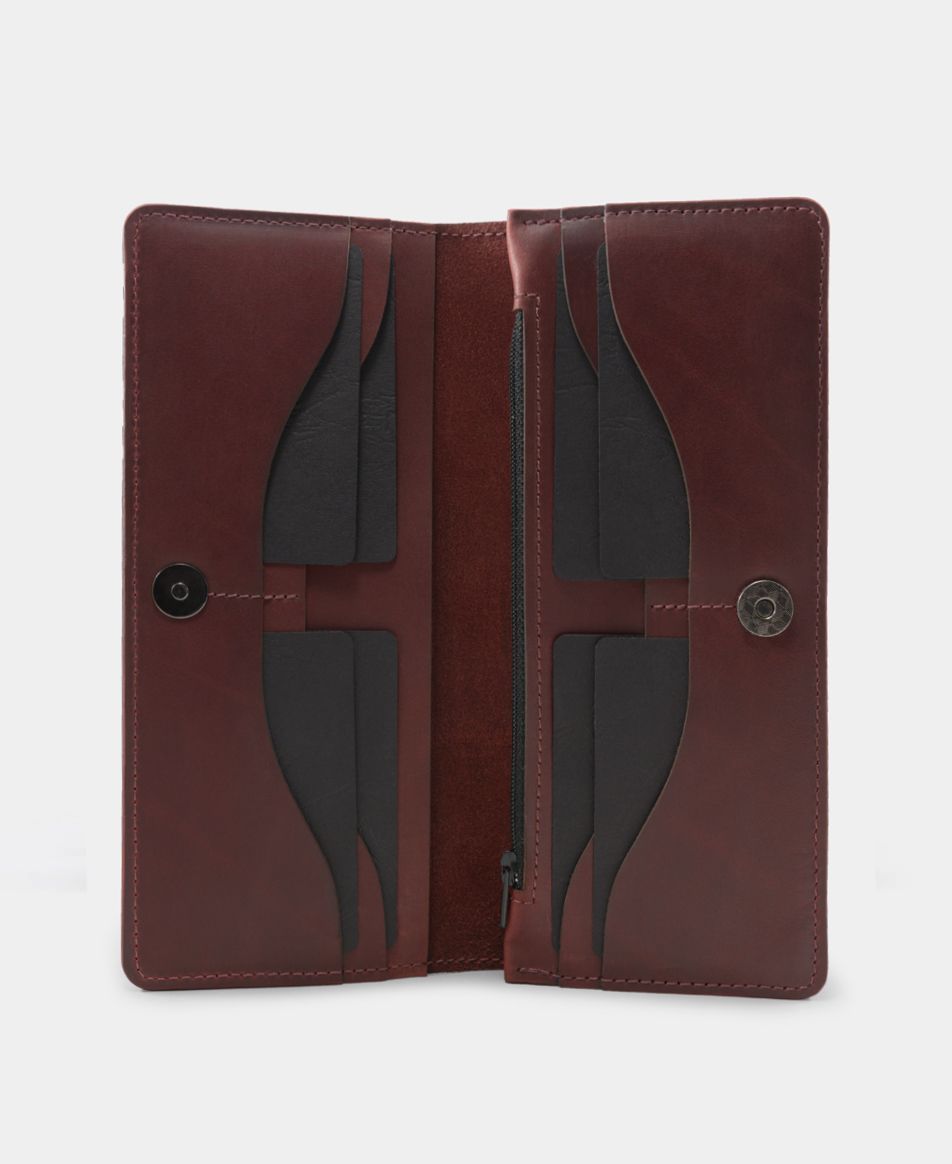
Leather Wallet with Austras Tree 8KK Bordeaux
€50.00


Sources
What this page was written from. The meanings of the signs are a tradition, not a proven fact; where scholars doubt, we say so.
- Krišjānis Barons, Henrijs Visendorfs. Latvju dainas, 1894–1915. The folk songs through which the gods the signs are named after are known
- Ernests Brastiņš. Latviešu ornamentika. Rīga: Vālodze, 1923. The first book to tie the elements of the pattern to the gods of the dainas
- Jēkabs Bīne. Latvju raksti. Sējējs, 1936, Nr. 1. The assignment of signs to deities that today’s explanations rest on
- Valdis Celms. Latvju raksts un zīmes. Rīga: Folkloras informācijas centrs, 2007. The fullest present-day account of the signs within that tradition
- Nacionālā enciklopēdija: Auseklis, Ugunskrusts, Latviešu mitoloģija. The history of the signs, the oldest finds and where the names come from
- Otto Ķenga. Latvju rakstu tradīcijas ģenēze (1869–1924). Krustpunkti, 2024, Nr. 2. How the idea of “Latvian ornament” took shape and what the patterns were called before
- Digne Ūdre-Lielbārde. Visualizing Cultural Opposition. Letonica 57, 2025. The signs in the Awakening and the origin of their mythological names
- Baiba Vaska. Senās rotas un ornaments Latvijā. Latvijas Nacionālais vēstures muzejs. An archaeologist’s view of what can and cannot be proven about the old ornament
- Latvijas Kultūras kanons: Lielvārdes josta. The belt’s signs, their facts and their legends
- UNESCO Memory of the World: Dainu skapis. The Cabinet of Folk Songs on the world’s documentary heritage register